Urban Hens
About the project
The City of Medicine Hat is exploring the development of a two-year Urban Hens Pilot Program.
No decision has been made on the future of the program.
City Council approved a motion at the April 7, 2026 City Council meeting directing Administration to:
- Prepare a comprehensive bylaw for the regulation of Urban Hens in Medicine Hat based on identified best practices and community feedback;
- Prepare a report including anticipated costs and staff resources for implementation; and
- Present the bylaw and report to Council in Q3 2026 for consideration as recommended by Administrative Committee.
Background information
Urban hen programs have been adopted by some municipalities across Canada as a limited form of urban agriculture intended to support local food production, sustainability, and resident choice in residential neighbourhoods. These programs typically permit the keeping of a small number of laying hens for personal egg production, subject to specific conditions designed to ensure animal welfare and minimize neighbourhood impacts.
In Alberta, there is a relatively even split among the larger municipalities who do and do not offer an urban hen program in some form. They include, but are not limited to the following municipalities:
| Offer a program | Do not offer a program |
|---|---|
| Calgary | Lethbridge |
| Edmonton | Cochrane |
| Red Deer | Fort Saskatchewan |
| Airdrie | Beaumont |
| Fort McMurray | Lloydminster |
| St. Albert | |
| Grande Prairie |
Municipalities that have urban hen programs tend to adopt relatively similar regulatory frameworks.
Common provisions include:
- Allowing hens only, with roosters prohibited due to noise concerns
- Limiting the number of hens per property, typically between three and six
- Restricting eligibility to low‑density residential properties, such as single‑detached or semi‑detached dwellings
- Requiring hens to be kept in a secure coop and enclosed run, with minimum setback requirements from property lines and neighbouring dwellings
- Establishing animal welfare standards related to shelter, food, water, sanitation, and veterinary care
- Prohibiting on‑site slaughter, commercial egg sales, or breeding
- Implementing licensing or permitting systems, often with annual fees and potential caps on participation
- Using complaint‑based enforcement tied to existing nuisance, noise, and property standards bylaws
- Rehoming strategies to deal with surrendered birds
Many municipalities also include an education or acknowledgement component to ensure prospective hen owners understand their responsibilities before participating.
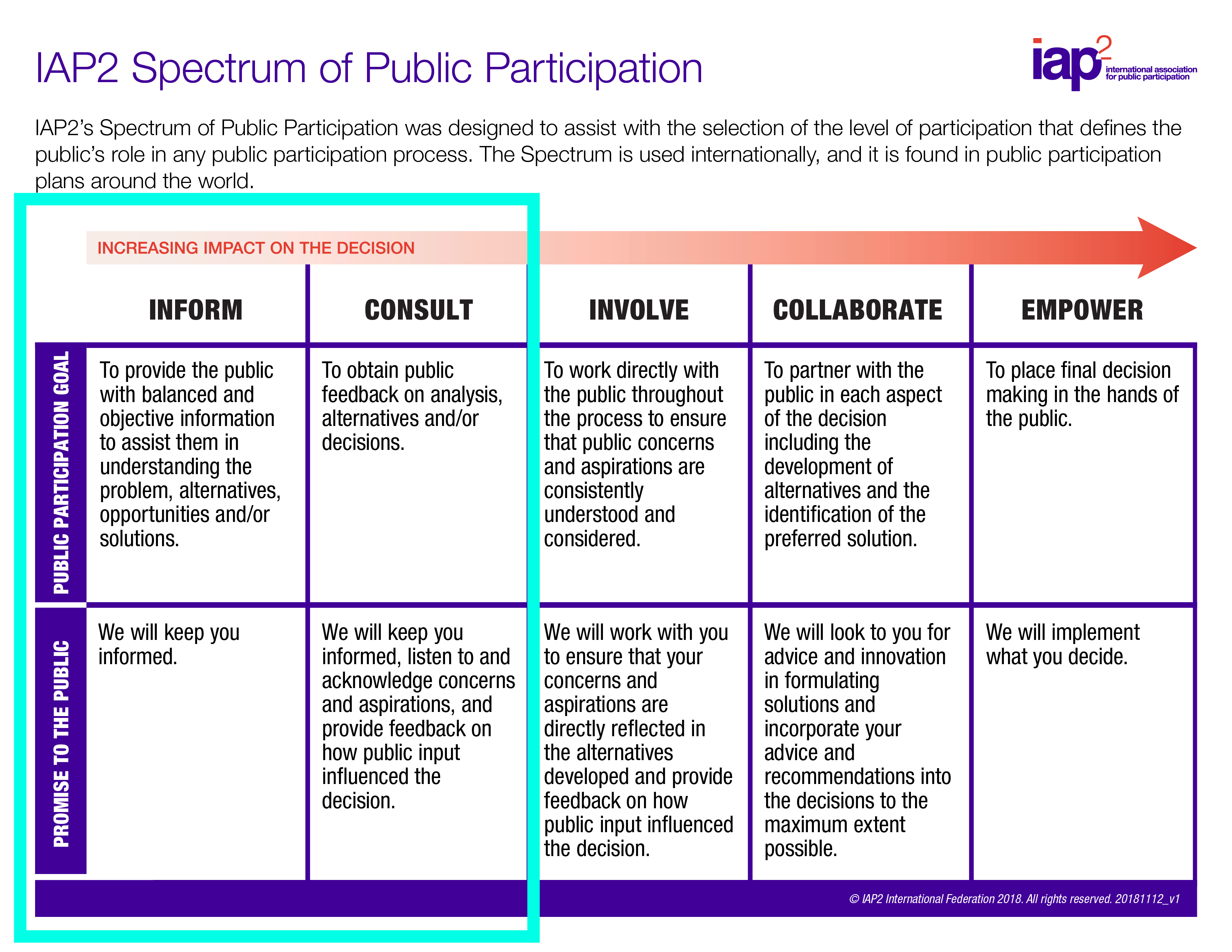
How to get involved and influence this project
The urban hens survey is now closed and the completed What We Heard Report can be viewed here.
1. Take the survey between May 19-June 26, 2026 to provide your feedback on the potential two-year Urban Hens Pilot Program. The survey is now closed. Thank you to everyone who participated.
2. Host a Kitchen Table Conversation with friends or neighbours to collect and share your thoughts on the potential Urban Hen Pilot Program. Check out the Kitchen Table Conversation Guide and submit your feedback before July 31, 2026!

Next steps
Public engagement for the Urban Hens Project is now complete. Feedback received through the survey will be considered alongside research, best practices from other municipalities, operational requirements, and financial analysis as Administration finalizes its recommendations for Council.
The next phase of the project will involve the completion of a Request for Decision and the presentation of a proposed regulatory framework, including amendments to the Responsible Animal Ownership Bylaw, for City Council's consideration. The report will also include information about implementation requirements, operational considerations, and the anticipated capital and operating costs associated with a potential Urban Hen Pilot Program.
No decisions have been made on the future of this project.